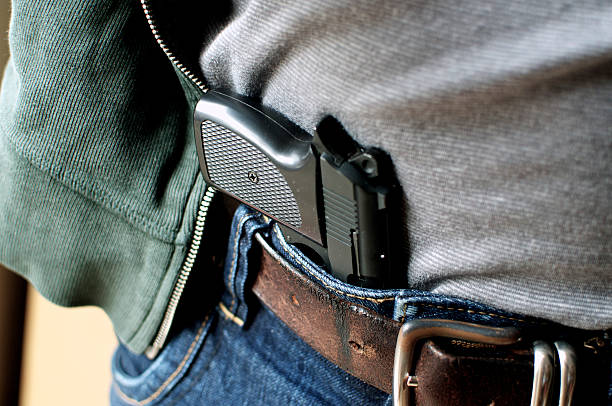
Understanding who is legally allowed to carry a concealed or open weapon is crucial for both personal responsibility and public safety. Gun laws in the United States vary significantly depending on the state, and these laws establish detailed criteria about who can legally carry and under what circumstances.
Understanding Federal Requirements for Concealed Carry in Virginia
At the federal level, there are specific guidelines that apply across all states.
– Age Restriction: You must be at least 18 years old to purchase a rifle or shotgun and 21 years old for handguns from licensed dealers.
– Criminal Record: Anyone convicted of a felony or certain misdemeanor crimes of domestic violence is prohibited from owning or carrying firearms.
– Mental Health: Those adjudicated as mentally incompetent or committed to mental health institutions cannot legally possess firearms.
– Immigration Status: Non-citizens without permanent residency status may be restricted from carrying firearms under federal law.
Understanding Concealed Carry Classes in Washington DC and State-Specific Laws
Each state has its own rules governing who can carry concealed or open weapons. Some states impose stricter conditions for eligibility, while others have more permissive policies.
Concealed Carry Permits
In general, individuals must obtain a permit to carry concealed weapons in most states (though some states allow constitutional carry). Eligibility typically includes: – Proof of residency in the issuing state. – Completion of mandatory firearm safety training programs. – Passing a thorough background check. – Meeting any additional state-imposed requirements such as fingerprinting.
A few states operate under “may issue” policies where permits are granted at the discretion of local authorities, while others follow “shall issue” laws, making it easier for qualified applicants to obtain permits.
Open Carry Laws
Open carry laws vary widely: – Some states allow open carry without any permit. – Others require an open-carry license similar to a concealed carry permit. – In certain jurisdictions, open carry is entirely prohibited.
Exceptions and Restrictions
Even when an individual meets legal requirements, certain restrictions may apply: 1.Prohibited Locations: Schools, government buildings, airports, and private properties with posted prohibitive signage often prohibit both open and concealed carrying. 2.Alcohol Consumption: Carrying while under the influence of alcohol is illegal in many jurisdictions. 3.Reciprocity Agreements: Concealed carry permits may not be valid across state lines unless reciprocity agreements exist between respective states.
| Permit Type | States Requiring Permit | Permitless Carry States |
| Concealed Carry | Most States | ~27 States (Constitutional Carry) |
| Open Carry | Permitted with/without restrictions in most states | Varies widely |
Responsibilities of Legal Gun Owners
Legal gun ownership carries significant responsibilities: – Always comply with federal and local laws regarding where and how you can legally carry your weapon. – Ensure that your firearm is properly secured when not in use to prevent unauthorized access. – Maintain situational awareness at all times when carrying to ensure responsible handling.
By understanding these legal foundations along with local regulations, individuals can make informed decisions about their rights and responsibilities as gun owners.
Essential Things to Know About Open Carry Laws and Practices
Open carry regulations vary significantly across jurisdictions, and being informed can help gun owners stay compliant while promoting safety and responsibility.
Variations in Open Carry Laws by State
Open carry laws are not universal; each state has its own set of rules. These differences can impact how, where, and under what circumstances a person may openly carry a firearm.
- Permissive States: In these states, individuals may openly carry firearms without the need for a permit or license.
- Licensed Open Carry States: Some states require individuals to obtain a permit before they are allowed to openly carry firearms.
- Restricted or Prohibited States: A few states heavily restrict or outright prohibit open carry of handguns.
Before carrying openly, check your state’s specific regulations as well as any local ordinances in cities or counties that might have stricter rules.
Places Where Open Carry is Often Prohibited
Even in states where open carry is generally allowed, there are usually restrictions on specific locations where firearms cannot be carried openly.
- Government buildings (e. g.
- Schools and university campuses
- Bars or establishments serving alcohol
- Private properties with signage prohibiting firearms
- Military installations
Most jurisdictions enforce these limitations to minimize risks in high-stakes environments.
| Location Type | Can You Open Carry? |
| Government Buildings | Typically prohibited |
| Educational Institutions | Often restricted |
| Businesses with “No Firearm” Signs | Depends on state/local laws |
| National Parks | Allowed with some restrictions |
Practical Tips for Responsible Open Carry
- Holster Selection: Use a quality holster that securely holds your firearm while allowing quick access if needed.
- Awareness of Surroundings: Understand that openly carrying a firearm may draw attention from law enforcement or members of the public.
- Documentation: Always have proper identification and any required permits readily accessible.
- Training and Skill Maintenance: Regularly train not just for proficiency with your firearm but also for situational awareness and de-escalation techniques.
Legal Interactions While Open Carrying
Interactions with law enforcement are another important consideration when engaging in open carry.
- Be polite and cooperative if approached by an officer.
- Inform officers about your armed status if required by law (this is known as “duty to inform”).
- Avoid sudden movements around law enforcement personnel while armed.
Being mindful of how your actions affect others can help maintain positive interactions with both the public and authorities.
Each individual must take the time to research thoroughly before deciding whether open carry aligns with their personal beliefs and lifestyle choices.

Key Differences Between Open Carry and Concealed Carry for Responsible Gun Owners
When choosing between open carry and concealed carry, it’s crucial to understand the key differences between these two practices. Both have distinct advantages, legal considerations, and implications for personal safety and public perception. Below, we’ll break down these differences to help responsible gun owners make informed decisions.
- Open Carry: This method is often used in jurisdictions that allow it without requiring additional permits or licenses.
- Concealed Carry: Involves carrying a firearm in a concealed manner, such as under clothing or inside a bag, so that it is not visible to others. Most states require a concealed carry permit (CCP) for this practice.
Legal Considerations
The laws governing open carry and concealed carry vary by state.
| Aspect | Open Carry | Concealed Carry |
| Permit Requirement | Often not required (varies by state) | Usually requires obtaining a permit/license |
| Visibility | Firearm must remain visible | Firearm must remain hidden from view |
| State Restrictions | Permitted in some states; banned in others | Requires compliance with specific permit laws |
| Reciprocity Between States | Limited reciprocity | Broader reciprocity agreements among states |
Gun owners should always research their local regulations before carrying firearms in public.
Public Perception and Social Dynamics
- Can provoke varied reactions from the public.
- May act as a visual deterrent against potential threats.
- Can lead to increased scrutiny from law enforcement or civilians unfamiliar with local laws.
- Reduces public awareness of armed individuals, minimizing potential alarm.
- Allows for discreet self-defense capabilities.
- Requires greater responsibility in ensuring the firearm stays securely hidden.
Practical Considerations
- Open carry may allow for easier access but could draw unwanted attention.
- Concealed carry requires selecting appropriate clothing or accessories to ensure concealment without compromising accessibility.
- Concealed carriers often need more training to effectively handle scenarios where drawing the weapon discreetly is necessary.
- Open carriers should also train extensively on situational awareness since their firearm is exposed.
- For open carry: A sturdy holster that ensures retention and security is essential.
- For concealed carry: Holsters designed for concealment (e. g. , inside-the-waistband) are critical alongside proper attire.
- Open carriers may encounter more frequent interactions with law enforcement officers seeking clarification on legality.
- Concealed carriers generally face fewer inquiries since their weapon remains out of sight.
Situational Suitability
- Open carry might be preferable when attending events like firearms-related gatherings or in rural areas where it’s more culturally acceptable.
- Concealed carry offers versatility in urban environments or situations requiring discretion, such as commuting or shopping.
Responsible gun ownership involves not only complying with laws but also assessing how your choice impacts those around you while prioritizing safety at all times.
Key Differences Between Open Carry and Concealed Carry for Responsible Gun Owners
When it comes to firearm ownership and carrying, understanding the distinctions between open carry and concealed carry is essential for responsible gun owners. The choice between these two methods of carrying a firearm comes with legal, practical, and situational considerations that vary depending on personal preferences, state laws, and safety concerns. Below, we examine the key differences to help you make an informed decision.
1.Visibility of the Firearm
- Open Carry: The firearm is fully visible, typically carried in a holster on the hip or leg. This method is often seen as a deterrent since others can clearly see that you’re armed.
- Concealed Carry: The weapon is hidden from view under clothing, in a bag, or within another discreet accessory. Concealment allows for privacy and avoids drawing attention.
While open carry may project strength or serve as a visual deterrent, it can also attract unwanted attention from others or law enforcement. Concealed carry provides discretion but requires additional effort to ensure the firearm remains properly hidden.
2.Legal Requirements
| Aspect | Open Carry | Concealed Carry |
| Permit Requirements | Often not required in some states | Usually requires a permit/license |
| State Regulations | Restricted in certain locations | More widely regulated |
| Reciprocity Across States | Limited reciprocity agreements | Broader reciprocity options depending on state |
Responsible gun owners should always research their local laws regarding both methods of carrying to ensure compliance.
3.Practical Considerations
- Easier access to the firearm in self-defense situations.
- Less restrictive clothing options.
- May deter potential threats due to visibility.
- Prevents unnecessary panic or alarm in public spaces.
- Offers tactical surprise if self-defense becomes necessary.
- Allows you to blend into your surroundings without drawing attention.
Deciding between these methods depends largely on your comfort level with visibility versus discretion.
4.Training Requirements
- Open carriers should focus on retention training to ensure unauthorized individuals cannot grab their weapon.
- Concealed carriers must practice drawing from concealment efficiently while maintaining safe practices.
Additionally, maintaining situational awareness is critical for both types of carrying to prevent misuse or mishaps.
5.Public Perception and Social Impact
- Openly carried weapons may provoke fear among individuals unfamiliar with firearms or lead to additional scrutiny by law enforcement officers.
- A concealed weapon avoids public concern but places greater responsibility on the carrier to maintain secrecy at all times.
Being mindful of surroundings and sensitive environments—such as schools, hospitals, or private businesses—is crucial when carrying either openly or concealed.
By carefully weighing these differences—visibility, legal requirements, practicality, training needs, and social impact—you can select the option that best aligns with your needs while adhering to all applicable laws.

Important Considerations Before Deciding to Carry a Concealed Weapon
Carrying a concealed weapon is a significant responsibility that requires careful thought and planning. Before making the decision to carry, there are several crucial factors individuals should evaluate. These considerations touch on legal, personal, and safety aspects that are essential for responsible gun ownership.
Understand the Legal Requirements
Knowing the laws in your state or jurisdiction is the first step in deciding whether to carry a concealed weapon. Laws vary widely depending on where you live, and ignorance of these regulations could lead to severe consequences.
- Permit Requirements:
Some states require concealed carry permits, while others have constitutional carry laws that allow individuals to carry without a permit. - Reciprocity Agreements:
If you frequently travel across state lines, check reciprocity agreements. Not all states honor permits from other jurisdictions. - Restricted Locations:
Be aware of locations where carrying a concealed weapon is prohibited, such as schools, government buildings, or private businesses that post “no weapons” signs.
| State | Permit Required | Reciprocity with Other States | Restricted Locations Examples |
| Texas | No (constitutional) | Yes (limited) | Schools, bars |
| California | Yes | Limited | Government offices, courthouses |
| Florida | Yes | Yes | Airports, polling places |
Assess Your Personal Responsibility
Carrying a firearm comes with immense responsibility. Ask yourself whether you’re prepared for this role and its implications.
- Training and Proficiency:
Are you trained in firearm safety and handling? Regular practice at a range and knowledge of how your specific firearm operates are essential. - Mental Readiness:
A concealed carrier must be mentally prepared for high-stress situations. Consider whether you can remain calm and make rational decisions under pressure. - Commitment to Safe Practices:
Safe storage when not carrying is just as important as safety while carrying. This includes using secure holsters or safes to prevent unauthorized access.
Evaluate Your Lifestyle Needs
Your choice to conceal carry should align with your daily routine and lifestyle. Reflect on scenarios where carrying might be necessary or appropriate.
- Do you work in environments where personal safety could be at higher risk?
- Are you comfortable incorporating the additional responsibility of a weapon into your daily habits?
- Does your wardrobe accommodate safe concealment options?
Financial Expenses Involved
- Training Courses:Many states mandate training courses prior to issuing permits. Even if it’s not required legally, training is highly recommended.
- Equipment Costs:Quality holsters are necessary for comfort and security during everyday carry.
- Ammunition & Practice Routines:Regular practice sessions can become costly when factoring in ammunition expenses over time.
- Legal Insurance Plans:Some carriers opt for self-defense insurance policies that provide legal coverage if they ever need to use their firearm.
Weigh the Risks vs Benefits
Benefits:1. Increased personal protection 2. Peace of mind while traveling or working alone 3.
Risks:1. Potential legal complications if local laws are misunderstood 2. The possibility of accidents if proper care isn’t taken 3.
By thoroughly evaluating these considerations ahead of time, individuals can make informed decisions about whether they are ready for the responsibilities associated with concealed carry ownership while maintaining public safety standards effectively.
- What Are Concealed Carry Classes and Their Importance for Responsible Gun Owners
- How to Obtain a Virginia Concealed Carry Permit and Understand Legal Requirements
- Essential Information About Concealed Carry Classes in Washington DC for Gun Owners
- The Critical Importance of Concealed Carry Classes in Washington DC
- Key Updates and Changes to Know About the Virginia Concealed Carry Permit in 2025
- Understanding the Importance of a Virginia Concealed Carry Permit